United Kingdom · AnimaliaHotels
How to assess pet boarding facilities
Published · Updated
Reviewed by the AnimaliaHotels editorial team
A facility should not be judged by luxury styling, but by whether it can keep each animal safe, clean, comfortable and properly observed. Visit where possible and ask staff to describe a normal day.
Physical security
- Entrances and doors that reduce escape risk.
- Fencing, locks and surfaces in good repair without hazardous edges.
- Safe separation of incompatible animals.
- Clear identification of each unit and its care instructions.
- A workable emergency and evacuation plan.
Watch the collection procedure too: the establishment should verify who is authorised to take an animal.
Rest, temperature and noise
Animals need dry, ventilated accommodation at a suitable temperature. Ask how heat and cold are monitored and controlled, and what backup exists during a power failure. A resting space should allow withdrawal from activity, bright light and continuous noise.
Hygiene is more than fragrance
Check clean water, bowls, bedding, litter trays, waste removal and washable materials. A scented product does not prove that a cleaning procedure works. Ask how often areas are cleaned, how equipment is kept separate and where an animal with potentially infectious signs would stay.
Facilities for dogs
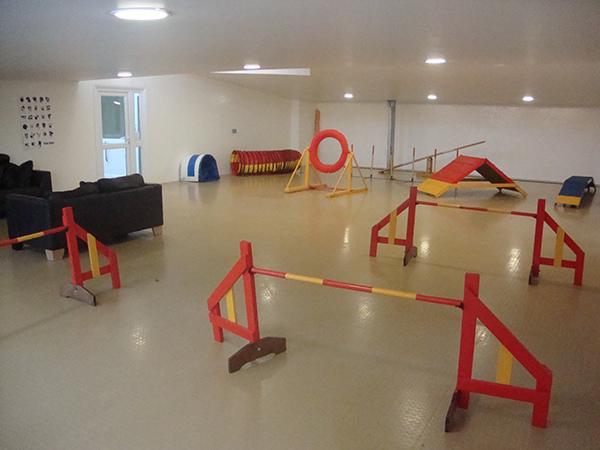
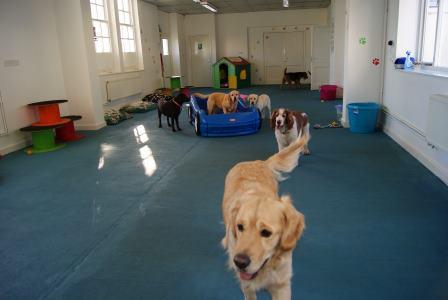
Assess room to move and rest, exercise away from the sleeping unit, shade, weather protection and supervision. Ask how groups are formed and how dogs that do not want contact are managed. A garden or pool does not by itself show how much exercise your dog receives or whether the activity is suitable.
Facilities for cats
Look for an individual unit—or sharing only by compatible cats from the same household—with a hiding place, raised area and separation between litter, food and water. Avoiding direct sight of unfamiliar cats can reduce tension. Check locks, safety corridors and transport in a strong carrier.
Services and supervision
Webcams, music, television, spa treatments and training are secondary services. Ask how they are used, for how long and for what purpose. Human observation, records and a clear response when something changes remain more important.
Use the visit checklist and our explanation of services and equipment.
Details that can mislead during a short visit
Is a larger space always better?
Not necessarily. Consider layout, security, temperature, rest and how the space is actually used. A large, poorly organised enclosure may be less suitable than a simpler one with distinct areas, supervision and a routine adapted to the animal.
Can smell tell me whether a facility is clean?
One temporary smell does not describe the whole system. Look at surfaces, water, bedding, litter areas, waste and ventilation, and ask how cleaning works while animals are present. A persistent strong smell combined with visible dirt needs a specific explanation.
Are listing photographs enough?
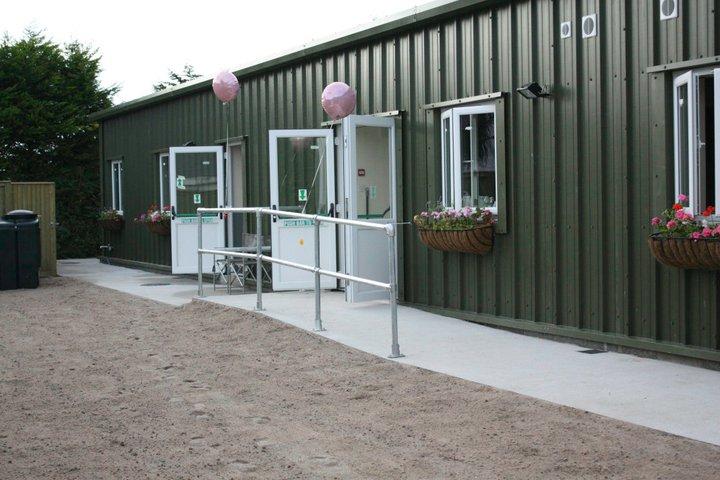
Images help prepare questions, but they may be old or show only part of the premises. Confirm when they were taken, which area your pet would actually use and whether the facilities or routines have changed.