United Kingdom · AnimaliaHotels
How to choose boarding for a dog or cat
Published · Updated
Reviewed by the AnimaliaHotels editorial team
Choosing boarding becomes easier when essential needs are separated from optional extras. Begin with your pet’s health, temperament, routine and length of stay. Then compare only establishments that can meet those needs.
1. Prepare a profile of your pet
- Species, age, size and identification.
- Diet, allergies, medication and usual veterinary practice.
- Behaviour around people and animals, fears and escape risk.
- Sleep, exercise, toileting and litter routines.
- Dates, times and people authorised to collect your pet.
Do not understate a behavioural difficulty to secure a place. Complete information allows the establishment to decide whether it can provide safe care.
2. Make a shortlist
Use the boarding directory to find options and review photos, services and contact details. Confirm the information directly afterwards: listings can become outdated, and the same service label can describe very different arrangements.
Licensing and operating requirements vary by nation and local authority. Ask which authorisation applies and how it can be checked. In England, for example, commercial cat and dog boarding is subject to local licensing; that rule should not be assumed to apply unchanged elsewhere.
3. Visit the premises
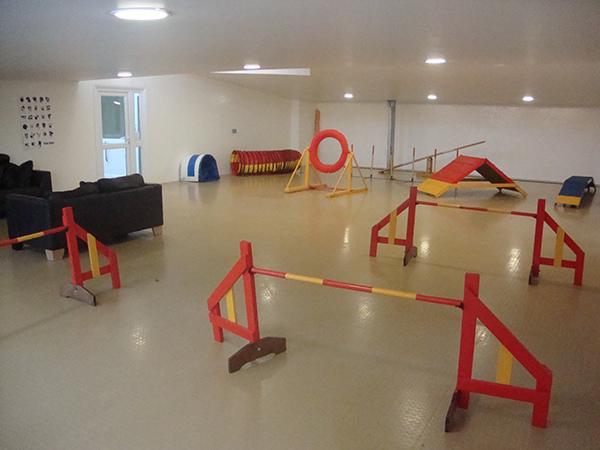
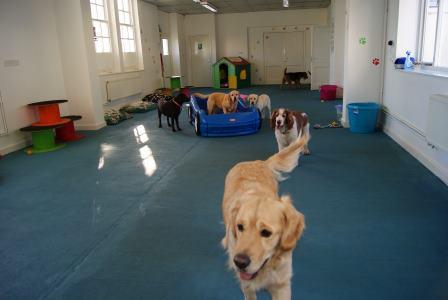
Look at secure access, reasonable cleanliness, ventilation, temperature, water, resting areas and the demeanour of animals already there. Ask who supervises, how appetite or behaviour changes are recorded and what happens overnight. For dogs, examine exercise and group management. For cats, examine hiding places, height and visual and physical separation.
4. Compare the care plan
Ask for real schedules, not only a service list. “Exercise”, “supervision” and “veterinary support” can mean different things. Confirm frequency, duration, responsibility and supplements. If webcams are offered, ask which areas they cover and what happens during an outage.
5. Review emergencies and terms
Establish who can authorise veterinary treatment, how you will be contacted, which practice will be used, how transport works and who initially pays. Read cancellation, late-arrival, personal-item and collection terms as well.
6. Decide for the individual animal
A pool, television or large room cannot compensate for unsuitable care. A simpler facility may be a good fit when its procedures are clear and it understands your pet. Use our visit questions and guide to dog and cat facilities.
How to complete the comparison
Is the most expensive establishment necessarily better?
No. First compare whether each option can meet the essential care needs, then compare the total price. Ask for boarding, medication, collection, activities and supplements to be itemised so a basic rate is not compared with an inclusive one.
What if I cannot visit in person?
Request a live video tour, recent photographs, written terms and a specific account of the daily routine. Verify any applicable licence independently. A remote visit is informative, although it cannot reveal every sound, smell or interaction.
How many options should I compare?
There is no required number. A short comparison of establishments genuinely able to care for the animal is more useful than a long list based only on price or distance. Record the same answers for each one and identify anything still awaiting confirmation.