United Kingdom · AnimaliaHotels
Boarding, home sitting or home boarding: how to choose
Published
Reviewed by the AnimaliaHotels editorial team
No option is universally best. The decision depends on the animal, carer, environment and actual procedures. Compare how the same needs will be met in each arrangement.
Professional boarding
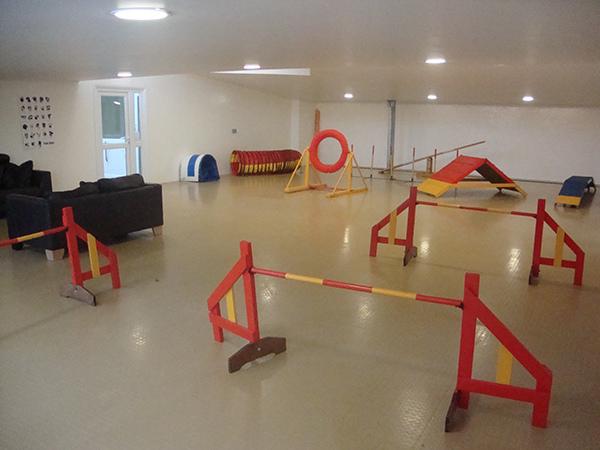
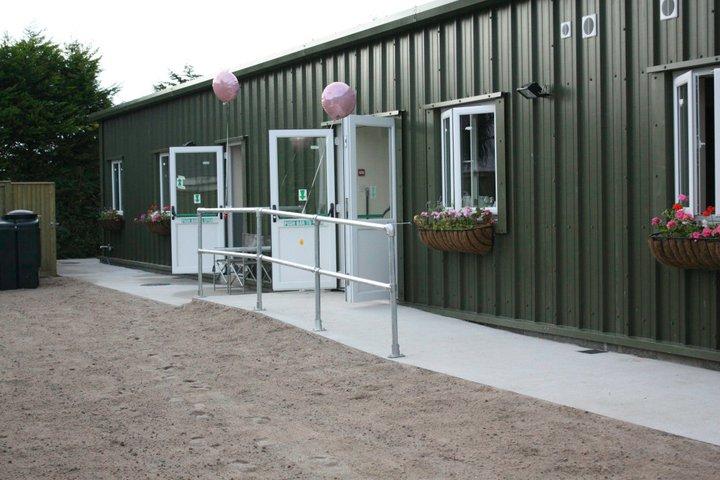
It can provide purpose-built facilities, several staff members and organised procedures. Confirm overnight supervision, exercise or enrichment, separation, medicine and emergencies. A new environment, unfamiliar sounds and nearby animals may not suit every pet.
A sitter in the pet's home
This preserves territory and routine, a possible advantage for some cats and animals sensitive to change. Check references, actual time present, door and window security, included tasks, substitutes and what happens if the sitter becomes unwell.
Boarding in a sitter's home
A domestic setting may appeal, but it needs the same scrutiny. Ask about resident animals, children, gardens, barriers, guest numbers, unsupervised periods, licensing where applicable and the plan for separating incompatible animals.
Compare needs rather than labels
- Health, medicine and the ability to notice changes.
- Fear, reactivity, escape risk and tolerance of unfamiliar people.
- Needs for company, undisturbed rest and routine.
- Veterinary contact, transport, consent and costs.
- Contract, insurance, cancellation and backup care.
Check the arrangement directly
Visit the setting where possible and meet the person who will provide care. Leave written instructions, an alternative contact and clear limits. A platform profile, photograph or review does not replace that check.
To compare establishments, read how to choose boarding and our visit questions.