United Kingdom · AnimaliaHotels
Boarding older pets and pets on medication
Published
Reviewed by the AnimaliaHotels editorial team
Age alone does not determine whether boarding is suitable. Mobility, health, behaviour and the establishment’s actual ability to follow a care plan matter more. Consult your vet if you are uncertain about travel or accommodation.
Describe specific needs
- Help standing, walking, climbing or using a litter tray.
- Frequency of toileting, position changes or cleaning.
- Diet, water, weight monitoring and known signs of pain.
- Changes in sight, hearing, orientation or sleep.
- Medicines, storage, times and what to do after a missed dose.
Check the environment
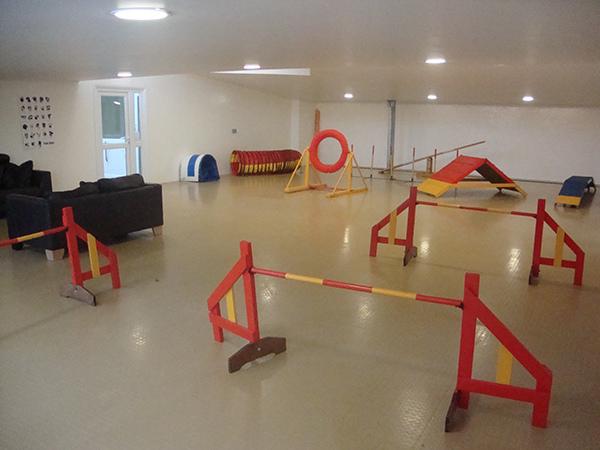
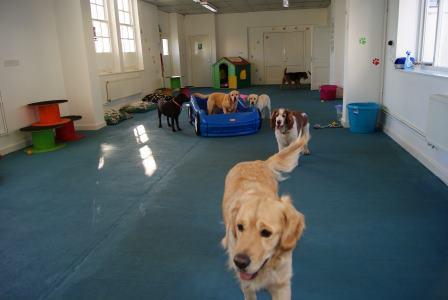
Look for secure surfaces, draught-free rest, stable temperature and easy access to water and toileting. A dog with reduced mobility may need short routes and non-slip flooring. An older cat may need an accessible raised area and a suitably entered litter tray.
Confirm who gives medicine
Ask who has experience, how the animal’s identity is checked, where medicine is stored and how each dose is recorded. Explain the usual method without hiding difficulties. If a technique is beyond the establishment’s competence, choose another arrangement or agree a plan with your vet.
Define when you must be contacted
Explain which changes are usual and which require a call: appetite, breathing, mobility, toileting, seizures or behaviour. Staff need to know whom to contact and what to do if no one responds. Do not leave complex clinical decisions only in a note; agree veterinary consent.
Consider duration and alternatives
A long stay may require a pre-stay check, additional medicine and a local contact. Care at home may reduce travel and environmental change for some animals. Compare the actual risks with your vet and the establishment.
Prepare the information and packing sheet and review health and emergency arrangements.
Specific questions about medication
Does “we administer medication” cover every treatment?
Do not assume so. Confirm the exact medicine, format, timing, storage and technique, who will give it and whether a supplement applies. A simple tablet and an injection or treatment requiring precise handling do not create the same care requirement.
What instructions should cover a missed dose?
Ask your vet for a written plan for that situation. Staff should not double, delay or stop a dose based on guesswork. Include the practice number and explain how any incident must be recorded and reported.
What should be checked overnight?
Ask whether staff are present, what monitoring operates and how quickly someone can respond. Compare that coverage with the animal’s actual needs, particularly for overnight medicine, mobility assistance or frequent observation.